DilamcoDilamco
FeasibilityCoordinationIntegration

Turnkey home addition: planning the extension without weakening the existing house

A residential addition is not just about adding square footage. You have to frame feasibility, structure, the building envelope, interior connections and the work sequence to deliver a coherent, livable result.
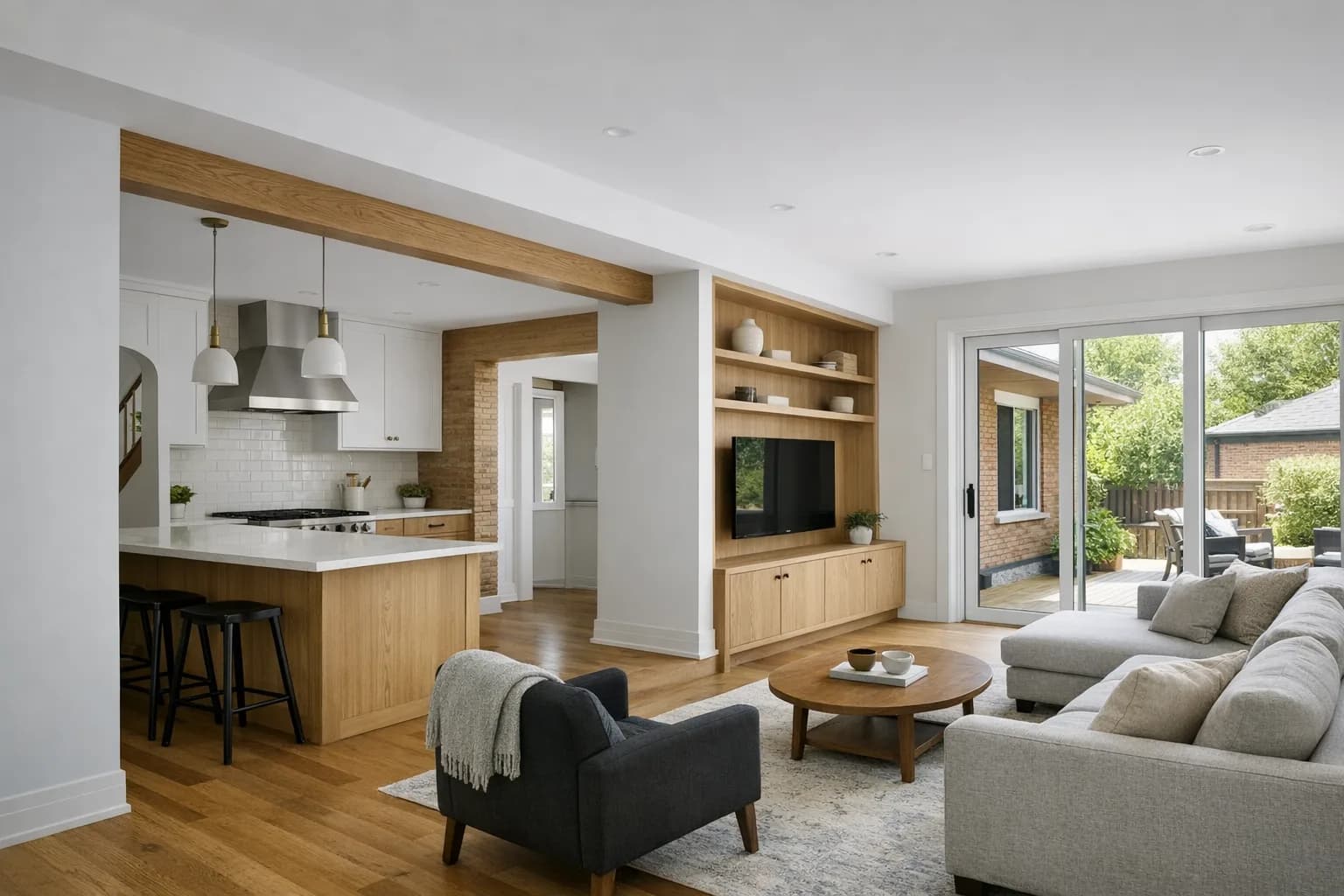
Residential renovation and addition project

Montréal, Laval and the South Shore

Why an addition quickly becomes complex

The risk isn't only the cost of the work. The real challenge is integrating a new section into an existing house without creating grey zones between structure, envelope, circulation and finish.

Existing house

Levels, structure, openings and hidden constraints must be validated before designing the addition.

Work sequence

Demolition, structure, closing the envelope and finishing must follow each other cleanly to limit rework.

Trade coordination

The more elements a project touches, the more coordination determines the final quality and the predictability of timelines.

Our approach to framing a residential addition

The goal isn't just to add a room. You have to confirm what's realistic, structure the decisions and prepare an execution that integrates with the current house.
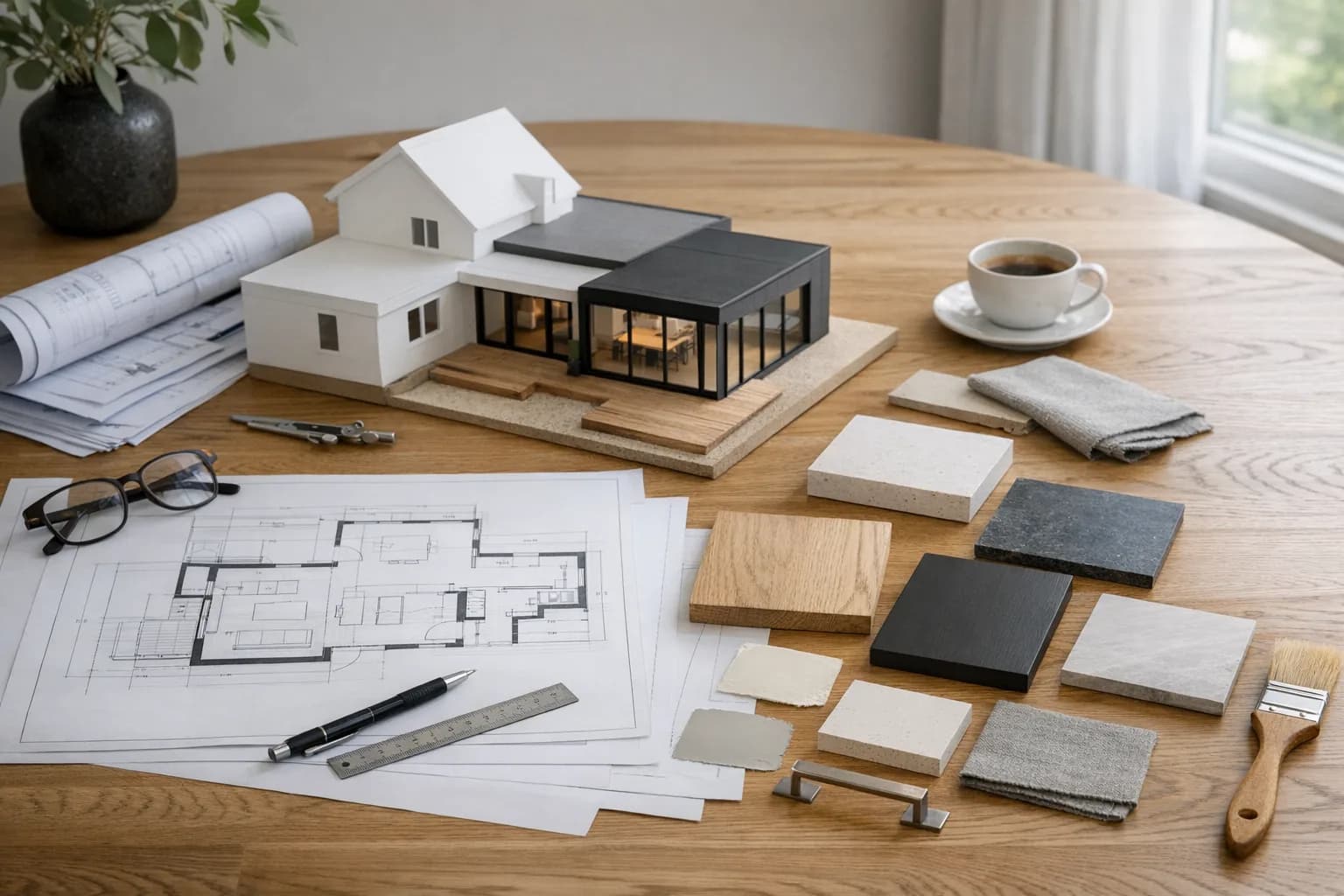
  • Scope analysis We clarify the intended use, the target square footage, the site constraints and the level of intervention on the existing house.
  • Technical validation We frame the sensitive points such as structure, connections, site access and the overall logic of the work.
  • Execution sequence The steps are ordered to limit interruptions, rework and conflicts between trades.
  • Control of the final result The addition should feel like it belongs to the house, not work like a poorly connected add-on.
Planning a residential addition project
What we aim to avoid
Projects that move ahead without a clear sequence often end with costly adjustments, compromised finishes or weak visual integration.

Typical sequence of an addition project

Every project varies, but the logic stays the same: frame before opening up, coordinate before accelerating, and finish only when the integration is clean.

1
Framing
Needs, feasibility, site constraints and the level of intervention on the existing house.
2
Design
Organization of volumes, connections, circulation, openings and the main technical decisions.
3
Execution
Structural and related work coordinated according to a sequence that protects progress on site.
4
Integration
Finishes, adjustments and connections so the addition works with the rest of the house.

Technical points that truly shape the project

A successful addition depends on a series of technical decisions made early enough to avoid blockers and visible compromises.

Structure and openings
Connection between the new volume and the existing house.
  • Checking the structure to be modified before the work begins.
  • Openings and spans designed for real-world use.
  • Impact on walls, levels and interior circulation.
Envelope and connections
The visible and invisible connection affects durability as much as appearance.
  • Clean junction between old and new.
  • Management of interior and exterior transitions.
  • Attention to the details that give away a poorly integrated add-on.
Interior organization
The addition should improve the house, not just add square footage.
  • Smoother circulation between living areas.
  • Storage, furniture and openings planned from the start.
  • Possible integration of a kitchen, bathroom or walk-in.
Site coordination
The level of control determines the predictability of timelines and the quality of the finish.
  • Order of interventions clarified before starting.
  • Less unproductive overlap between teams.
  • Fewer corrections at the end of the project.

How the addition integrates with the rooms of the house

An addition often makes the most sense when it better supports the kitchen, the bathroom or the storage areas. These pillar pages remain the main conversion destinations.
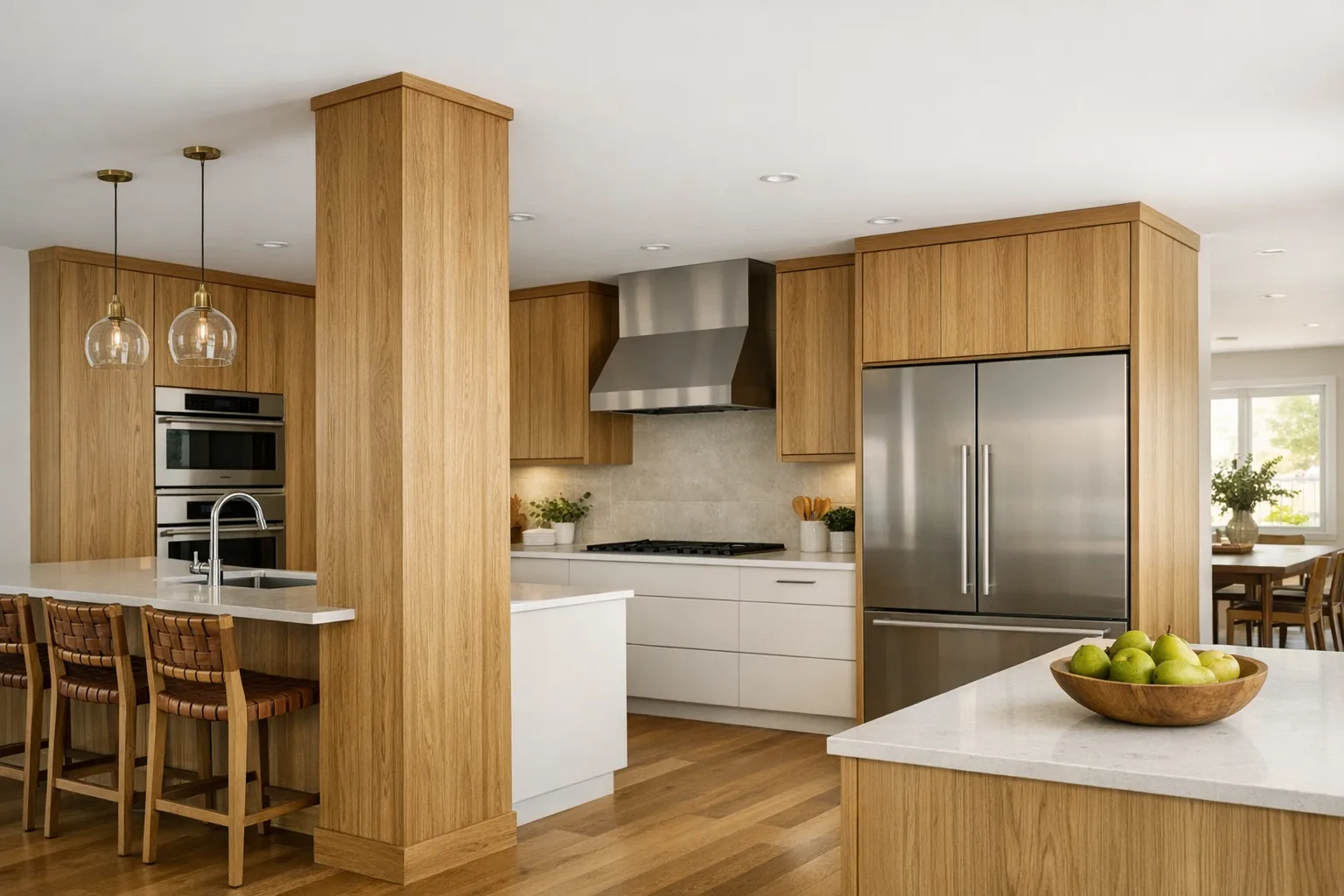
Custom kitchen integrated into an addition
Custom kitchen

When the addition mainly serves a more functional kitchen, the focus becomes circulation, the island and the integration of appliances.
KitchenCirculation
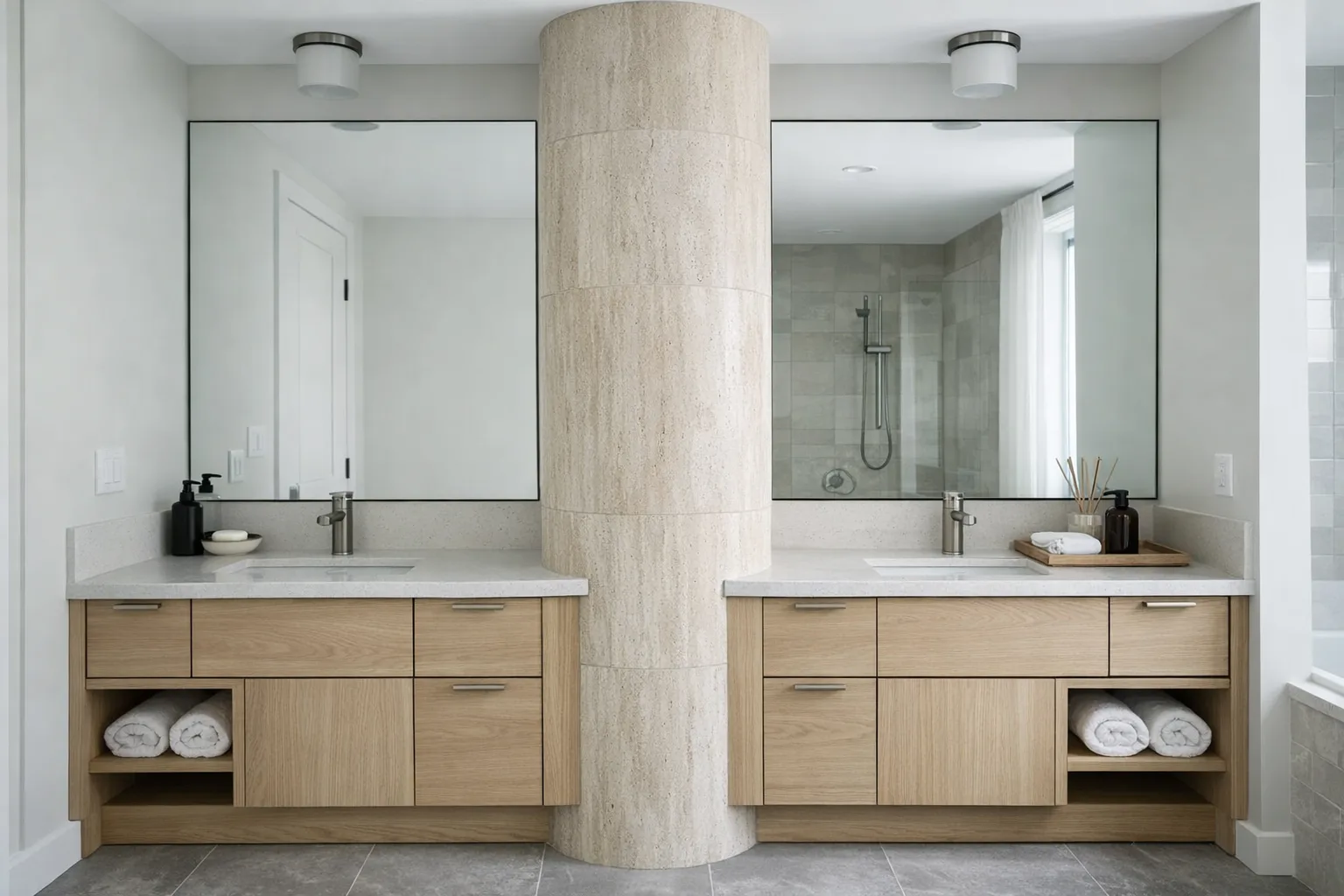
Custom bathroom integrated into an addition
Bathroom

An extension can let you add or enlarge a bathroom with better management of moisture, plumbing and storage.
MoisturePlumbing
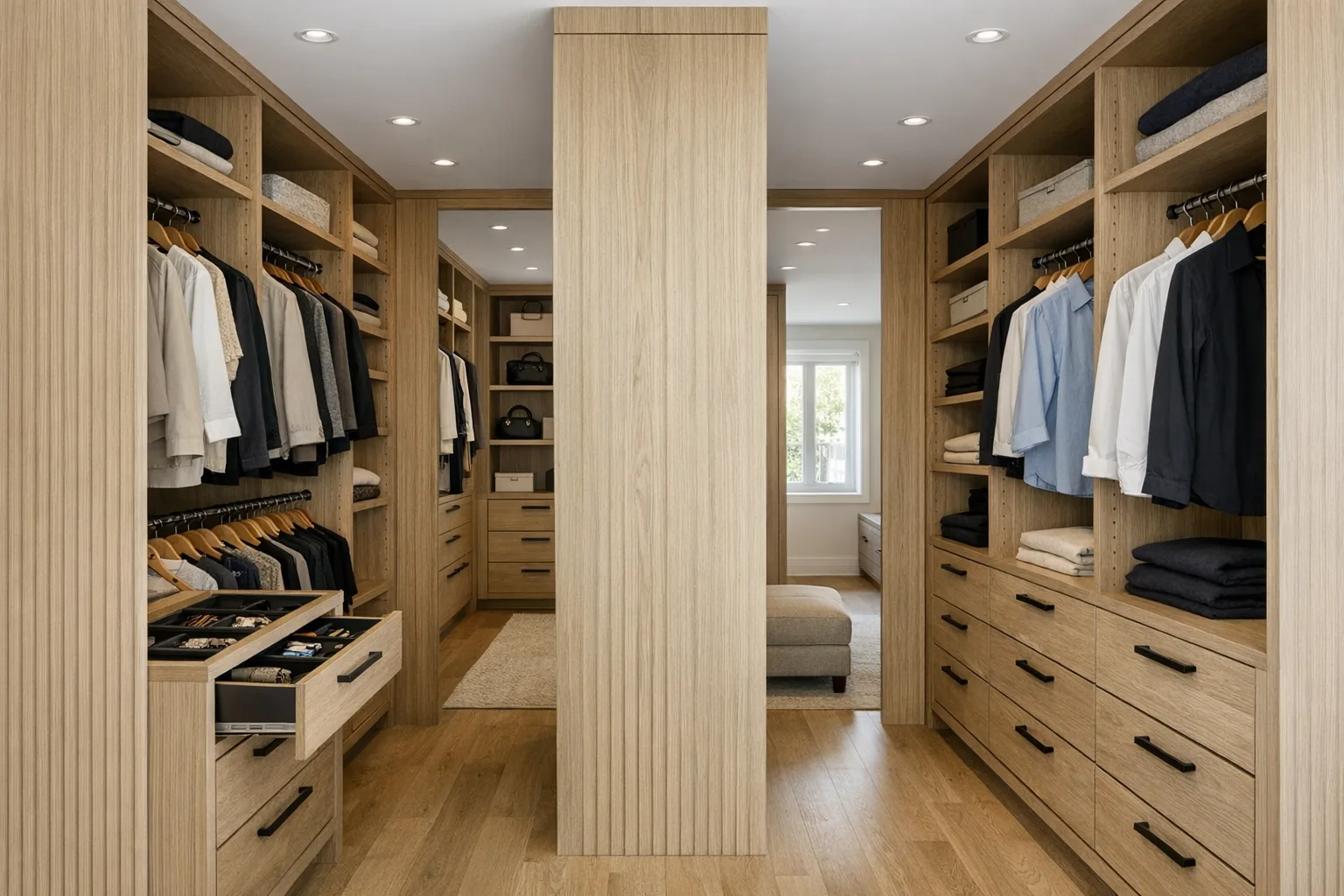
Custom walk-in in a residential extension
Walk-in and storage

Several additions are built to create a more complete suite with tailored storage and clearer organization.

StorageSuite

What a good addition should ultimately deliver

Proof of mastery isn't only in the added volume. It shows in how the house works after the project and in the quality of the connections visible day to day.

Clear reading

The new section should feel consistent with the house rather than look hastily added.

Improved use

Circulation, natural light, storage or capacity should be genuinely better.

Clean finish

Transitions, alignments and finishing details should support the perception of a well-controlled project.

FAQ - home addition

Clear answers on feasibility, coordination, timelines and integration with the existing house.

Planning a residential addition?

We help you frame feasibility, the work sequence and integration with the existing house so you start from a more manageable base.

What our clients say

Rated 5 out of 5 — 11 Google reviews
  • « Excellent contracteur. Ils ont fait mes planchers et autres projets et nous sommes très satisfaites. Je recommande 100%. »
    Mélina Desbiens
  • « L'expérience client au cœur des services de Dilamco Construction ! »

    Jean-Philippe Hébert