DilamcoDilamco
PaintUniformityFronts

MDF: when and why to use it for custom work

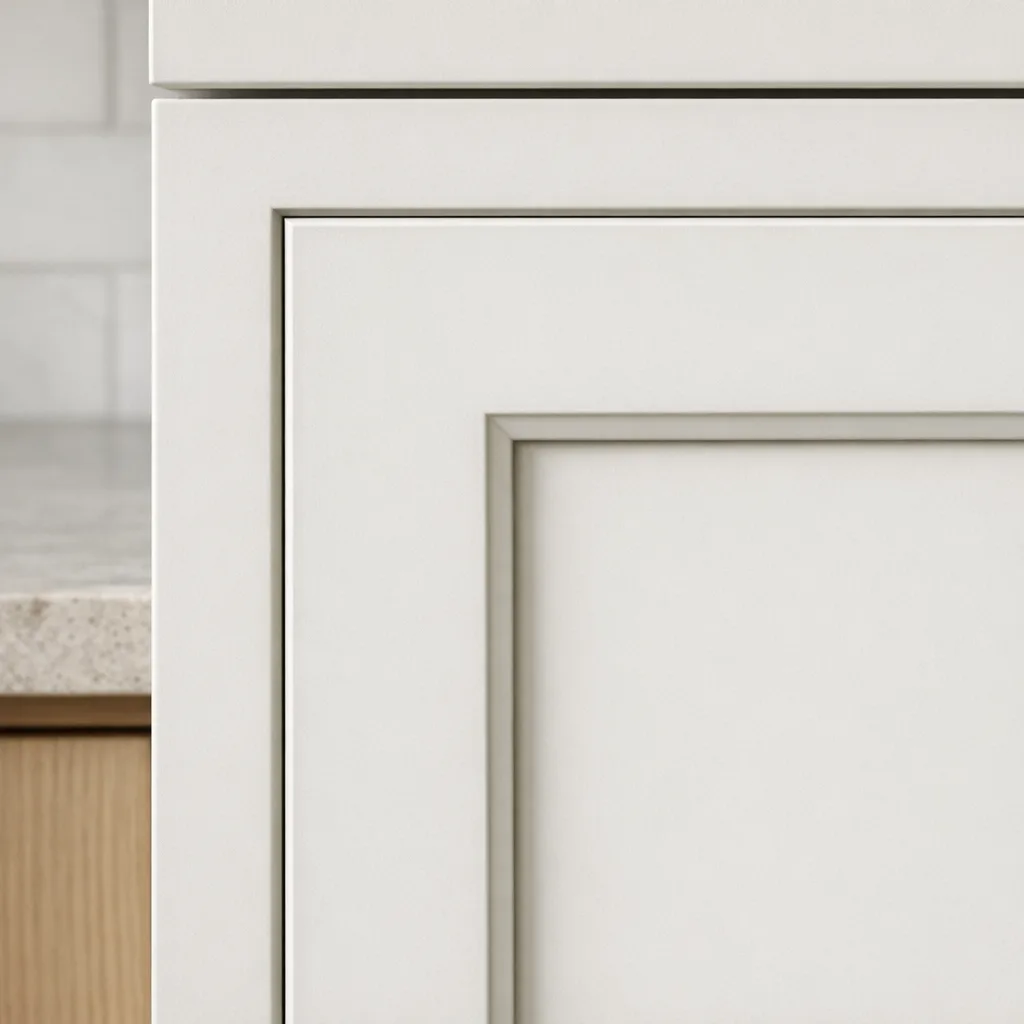
MDF is often chosen to get a very uniform surface, ideal for painted doors. It is not a universal material: the context of use and edge protection determine whether it's the right choice.

Samples and uniform painted surface

Very useful for certain results, less universal than people think

What MDF does well

Made of compressed fibres, MDF offers a uniform density that favours painted finishes and a consistent result. It becomes worthwhile when the visual quality of the surface is the priority.

Uniform surface

Particularly useful for painted finishes.

Consistent result

Allows a cleaner visual reading on certain fronts.

A good fit for certain doors

When the project is aimed above all at a painted aesthetic.

Sensitivity to moisture

Edge protection and context remain critical.

Where MDF can be the right choice

MDF is mainly worthwhile when a uniform painted finish is a priority and the project properly manages the more sensitive areas.

Painted doorsFrontsDesign
Good use of MDF
  • 1Painted doors and fronts
  • 2Projects where visual uniformity matters a lot
  • 3Well-executed and well-protected areas
  • 4Setups combined with other, more stable materials

Limitations and precautions

MDF can react to water if protection is insufficient, especially at the edges. This is where execution details become decisive.

  • Moisture. The risk increases if the edges or sensitive areas are poorly protected.
  • Critical edges. They determine a large part of the long-term behaviour.
  • Not ideal everywhere. Some structural or highly exposed areas will be better served by other options.
Uniform painted finish on an MDF panel
Recommended approach
MDF works best when used where it is strong, then combined with other materials where the use calls for more robustness.

FAQ - MDF

Torn between MDF and other options?

We help you see whether MDF is consistent with your finish level, your space and your real use.